A Lost Bus Worth Finding

One Battle After Another remains my favorite movie of the year. Nouvelle Vague, Richard Linklater’s superb black and white love letter to the French New Wave, is my second favorite. And now I have a third…

The Lost Bus is an Apple Original by Paul Greengrass, who directed the equally amazing, far too unheralded United 93 back in 2006 about the September 11th plane, and the same description of that movie can be said about this one: They are thrillers that actually thrill.

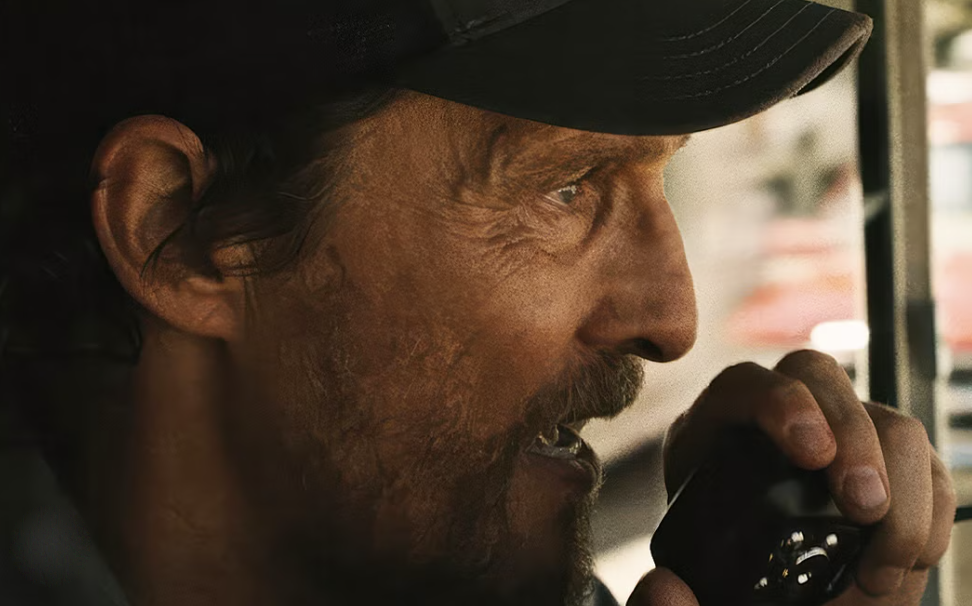
As a “fire movie”, it’s better than The Towering Inferno, Backdraft, or any other attempt at the genre I’ve seen. Greengrass’ signature style is a clipped, handheld realism and bevy of unknown actors to give the film a pronounced documentary feel that is wall-to-wall engaging. Kevin McKay’s courageous rescue of a busload of school kids during the tragic Paradise, CA fire also comes with the best Matthew McConaughey role he’s had in years. A no-nonsense, down-on-his luck working guy at odds with his bus dispatcher boss and estranged, high-maintenance family, McKay finds redemption when the wildfire spreads so fast he’s the only driver left in the fleet who can take the job. McConaughey’s desperate optimism and fear drive him to heroics, but there are no cliches here, none of the drama is forced, and the emotional release in the film’s final act feels absolutely earned.

It’s shocking that McConaughey didn’t receive a Best Actor nomination for this, and even more shocking the film received only one—for special effects. As a study in working class people and the nearly impossible tasks done by first responders, it’s a marvel, and the action builds and builds and never lets up. I imagine Greengrass used actual Paradise fire footage here and there, but if he did, it’s practically seamless. The Lost Bus is a realistic white-knuckle ride, and reminds us what good, moral humans are capable of every day.
The Great American Movie—Now More Than Ever

Late last night I read a devastating post on Threads by a 22-year veteran of NASA, a woman with seven straight “perfect performance” reviews who just lost her job along with countless other civil servants due to the destructive whims of two megalomaniac toddlers. It didn’t help me get to sleep, but it sure inspired me to wake up and pay overdue tribute to Apollo 13—the best motion picture about America to not win Best Picture. Nominated for nine Oscars back in 1996, it won exactly two—for editing and sound mixing. Whoop-de-doo. In a year that Braveheart won Picture and Direction for the racially enlightened Mel Gibson, Apollo 13 director Ron Howard wasn’t even nominated, which to me was a federal crime.

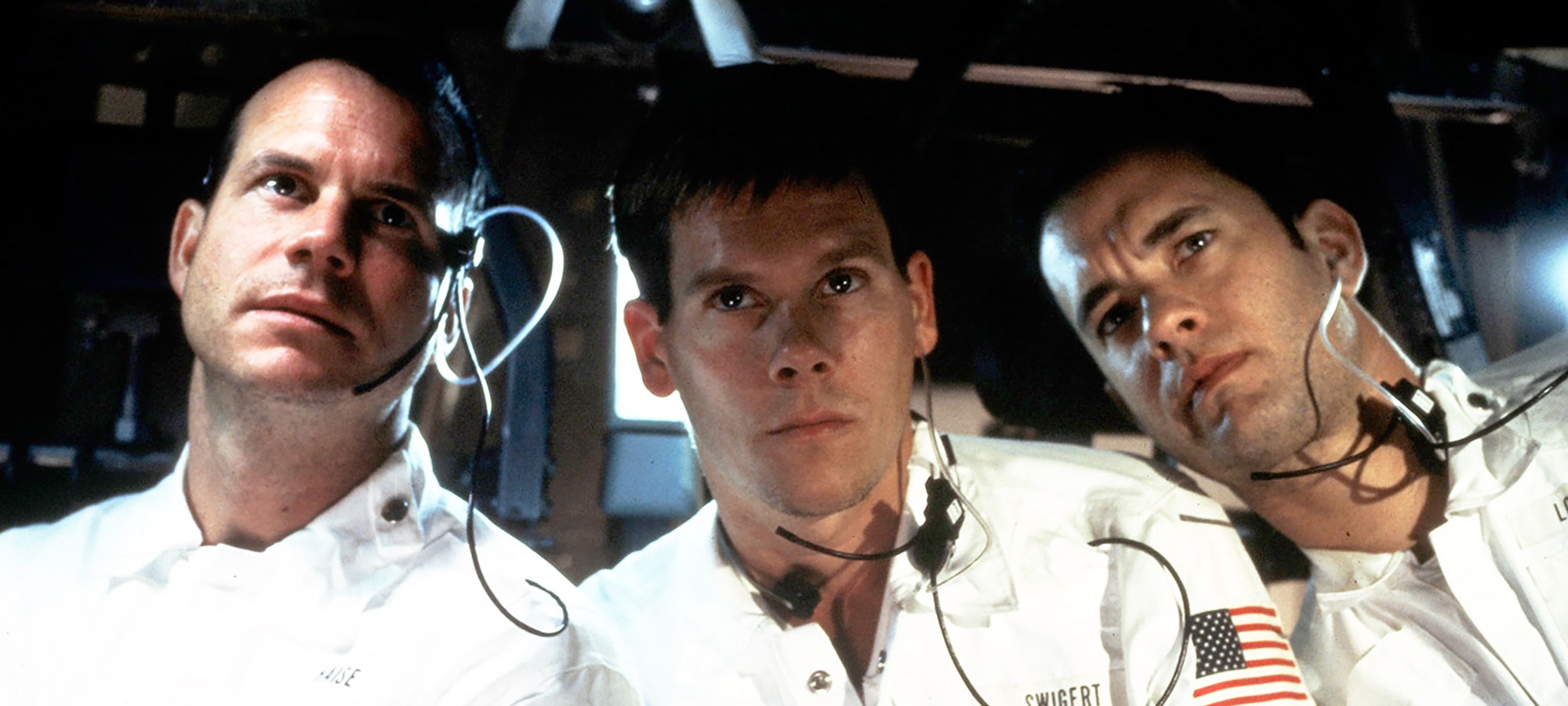
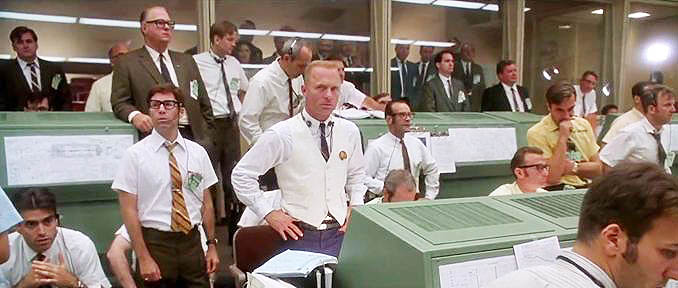
What exactly didn’t you like, Academy voters? Nearly thirty years later, it remains one of the most realistic, tension-filled, non-schmaltzy depictions of American achievement ever put on film. You had Tom Hanks as star-crossed astronaut Jim Lovell, for cripes sake, bringing Kevin Bacon and the late and great Bill Paxton safely back to Earth after a mid-flight oxygen tank explosion with Gary Sinise’s heroic Ken Mattingly springing into action after a no-measles diagnosis to assist from the ground in Houston. You had captivating, unflappable Ed Harris running things in Mission Control, beautifully introduced by Howard a half hour into the film when his signature white vest was handed to him minutes before launch. You even had Ron Howard’s mom playing Lovell’s mom in the assisted living sequence!

More than anything, you had rich, very human characters displaying hope, confusion, fear, and release for its two hours and twenty minutes without one shred of forced emotion or audience manipulation. Everything felt earned. Okay, maybe James Horner’s music swelled at times, but what great American movie doesn’t have that? Even if you know the true account of what happened in those April 1970 days, the details and suspense Howard created is still absolutely riveting. Add to that sharp and impeccable period details (Hanks giving guests a tour early on and lauding they have a brand new computer “that can fit inside one room”) and wonderful actor chemistry (Kathleen Quinlan as Lovell’s brave wife was at least nominated, along with Harris) and again, what more did you want?

There are a host of movie scenes that make me cry on cue: Liam Neeson breaking down at the end of Schindler’s List; the epilogue of Sophie’s Choice; the very end of the Lord of the Rings trilogy when Minas Tirith bows down to the hobbits; when Alan Arkin’s deaf-mute character dies at the end of The Heart is a Lonely Hunter, Atticus Finch sitting up all night with his wounded son at the end of To Kill a Mockingbird. Etcetera. 

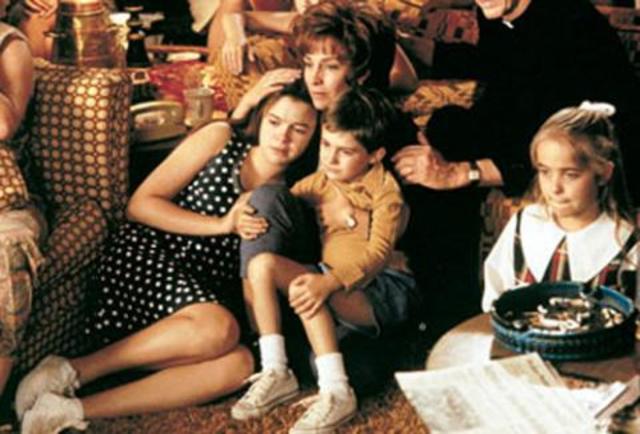
In Apollo 13, the climactic, harrowing minutes of no-contact with the three men during their atmospheric re-entry that’s basically assembled with scotch tape, scissors, and the brilliant minds of the NASA people on the ground is followed by the entire nation’s emotional release when Lovell’s voice is suddenly heard again. That moment is a five-hankie weeper, but watching the movie for maybe the sixth time last week on Netflix, the lump in my throat formed in the very first scene—where the three astronauts and their families gather in living rooms to watch Neil Armstrong’s historic Moon walk (narrated by Walter Cronkite) on television. It truly made me realize how much I love this country—and how much I hate those currently trying to dismantle everything good about it for sinister reasons.

Don’t even get me started on the National Parks.