Horror in Broad Daylight

On a recent visit to Scandanavia, it was tough for me to travel through Sweden without thinking about my favorite horror film in the last fifteen years, Ari Aster’s Midsommar. The people we visited and stayed with were welcoming and wonderful, the food excellent and Stockholm was gorgeous, but the deep dive into a sunshine-infused, cultish festival in the Swedish countryside Aster created had yet to leave my brain. After watching this movie three times and constantly seeing new things, I don’t expect it will.

Make that four times now. While waiting for my wife to join me outside an archipelago gift shop, I ordered the new 317-minute Director’s Cut of Aster’s masterpiece from the A24 store, and have since immersed myself even deeper.

Many people are fond of the director’s previous horror venture, Hereditary, a harrowing depiction of a horribly dysfunctional family with a superb performance by the under-appreciated Toni Collette and a memorably shocking climax. But I didn’t connect with any of those characters like I do with Dani, the dimunitive, emotionally fragile heroine of Midsommar. Florence Pugh’s response to a family tragedy in the first ten minutes is so real and so searing that it fuses you to her soul and draws you into the leisurely building story through her eyes like few films I’ve ever watched. I’ve seen Pugh in a few other roles and she’s always good, but Midsommar is clearly not even a movie without her honest feelings that capture the wonder and terror of the experience her and her friends are put through.

Without giving too much of the plot away, Dani talks her way into a trip to a summer festival organized by her boyfriend’s Swedish pal as a way to recover from her recent trauma. The community that welcomes them are friendly, live off the land and are unnaturally obsessed with flowers, but have their own set of rules and rituals that Dani and her friends are woefully unprepared for.

Unlike the dark mood that pervaded Hereditary, Aster explores the horror of Midsommar’s entirely different family in complete sunshine, throwing us off from the outset. His direction is measured and quiet, the cinematography extraordinary, the production design of the barn people sleep in covered with Swedish folklore paintings is perfect, and with Pugh’s uncanny performance (hard to believe she wasn’t Oscar-nominated), the tale seeps its way into your bones and allows no relief until the very last shot.

Horror movies are definitely pervasive these days, a likely reflection of the real-life horrors our world is enduring, but slasher films and vampire stories just don’t cut it for me anymore. I prefer originality and an unforgettable experience, and Midsommar provides all of that and creepily, much more.

A Lost Bus Worth Finding

One Battle After Another remains my favorite movie of the year. Nouvelle Vague, Richard Linklater’s superb black and white love letter to the French New Wave, is my second favorite. And now I have a third…

The Lost Bus is an Apple Original by Paul Greengrass, who directed the equally amazing, far too unheralded United 93 back in 2006 about the September 11th plane, and the same description of that movie can be said about this one: They are thrillers that actually thrill.

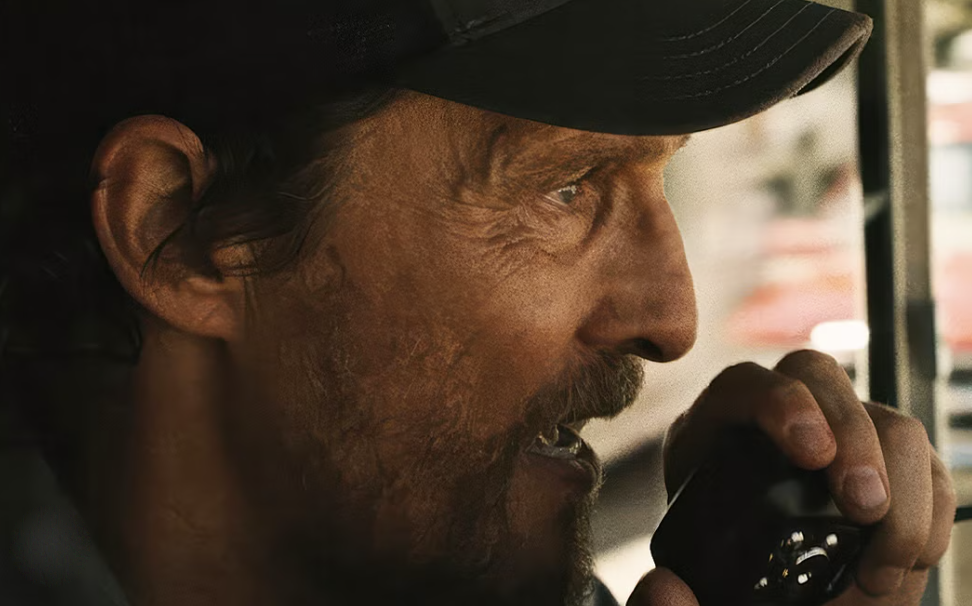
As a “fire movie”, it’s better than The Towering Inferno, Backdraft, or any other attempt at the genre I’ve seen. Greengrass’ signature style is a clipped, handheld realism and bevy of unknown actors to give the film a pronounced documentary feel that is wall-to-wall engaging. Kevin McKay’s courageous rescue of a busload of school kids during the tragic Paradise, CA fire also comes with the best Matthew McConaughey role he’s had in years. A no-nonsense, down-on-his luck working guy at odds with his bus dispatcher boss and estranged, high-maintenance family, McKay finds redemption when the wildfire spreads so fast he’s the only driver left in the fleet who can take the job. McConaughey’s desperate optimism and fear drive him to heroics, but there are no cliches here, none of the drama is forced, and the emotional release in the film’s final act feels absolutely earned.

It’s shocking that McConaughey didn’t receive a Best Actor nomination for this, and even more shocking the film received only one—for special effects. As a study in working class people and the nearly impossible tasks done by first responders, it’s a marvel, and the action builds and builds and never lets up. I imagine Greengrass used actual Paradise fire footage here and there, but if he did, it’s practically seamless. The Lost Bus is a realistic white-knuckle ride, and reminds us what good, moral humans are capable of every day.