
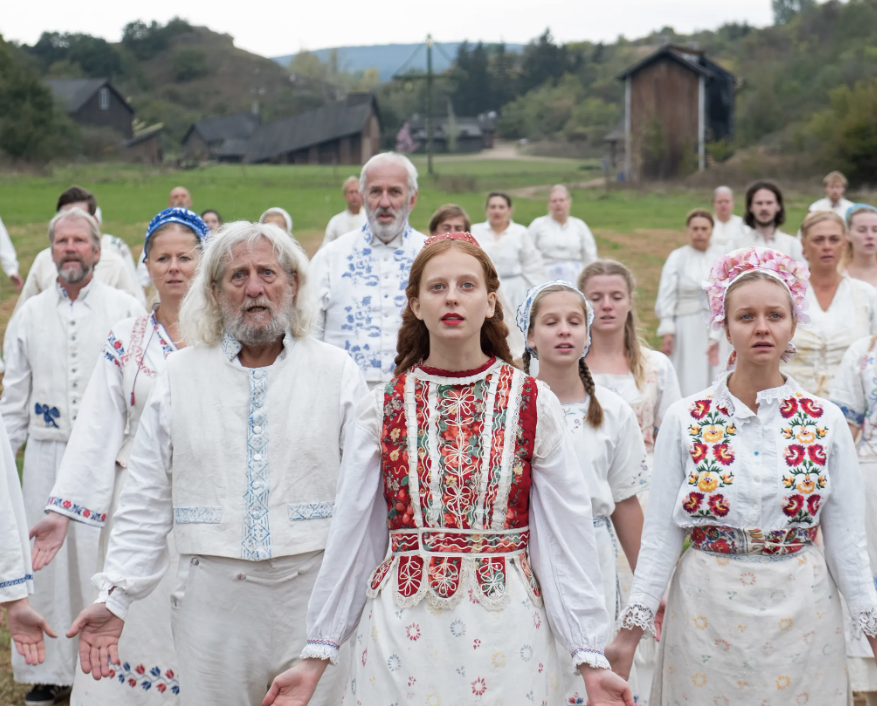
On a recent visit to Scandanavia, it was tough for me to travel through Sweden without thinking about my favorite horror film in the last fifteen years, Ari Aster’s Midsommar. The people we visited and stayed with were welcoming and wonderful, the food excellent and Stockholm was gorgeous, but the deep dive into a sunshine-infused, cultish festival in the Swedish countryside Aster created had yet to leave my brain. After watching this movie three times and constantly seeing new things, I don’t expect it will.
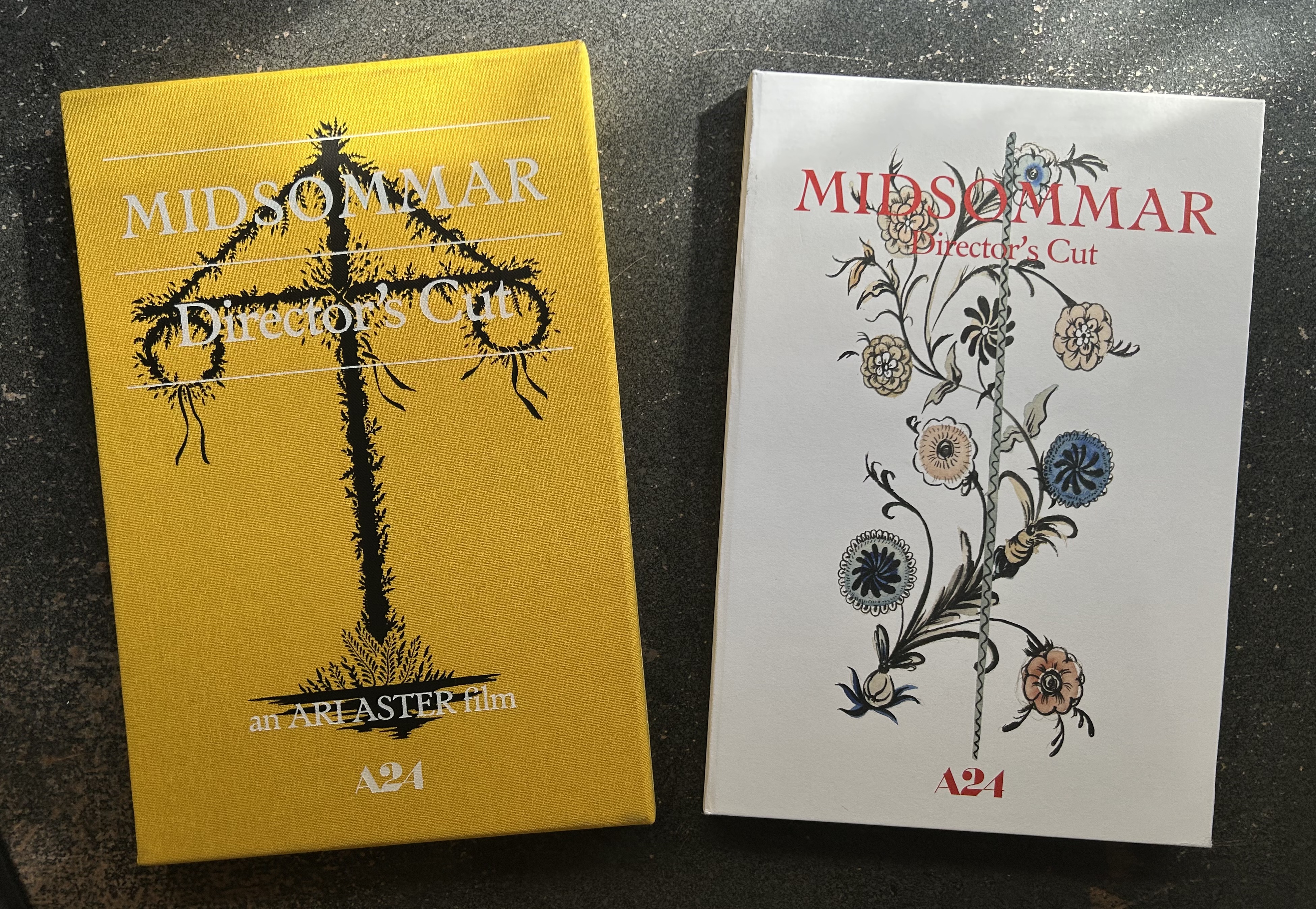
Make that four times now. While waiting for my wife to join me outside an archipelago gift shop, I ordered the new 317-minute Director’s Cut of Aster’s masterpiece from the A24 store, and have since immersed myself even deeper.
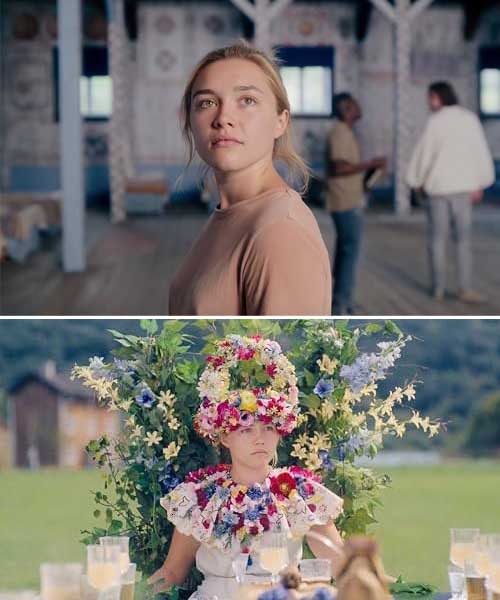
Many people are fond of the director’s previous horror venture, Hereditary, a harrowing depiction of a horribly dysfunctional family with a superb performance by the under-appreciated Toni Collette and a memorably shocking climax. But I didn’t connect with any of those characters like I do with Dani, the dimunitive, emotionally fragile heroine of Midsommar. Florence Pugh’s response to a family tragedy in the first ten minutes is so real and so searing that it fuses you to her soul and draws you into the leisurely building story through her eyes like few films I’ve ever watched. I’ve seen Pugh in a few other roles and she’s always good, but Midsommar is clearly not even a movie without her honest feelings that capture the wonder and terror of the experience her and her friends are put through.
Without giving too much of the plot away, Dani talks her way into a trip to a summer festival organized by her boyfriend’s Swedish pal as a way to recover from her recent trauma. The community that welcomes them are friendly, live off the land and are unnaturally obsessed with flowers, but have their own set of rules and rituals that Dani and her friends are woefully unprepared for.
Unlike the dark mood that pervaded Hereditary, Aster explores the horror of Midsommar’s entirely different family in complete sunshine, throwing us off from the outset. His direction is measured and quiet, the cinematography extraordinary, the production design of the barn people sleep in covered with Swedish folklore paintings is perfect, and with Pugh’s uncanny performance (hard to believe she wasn’t Oscar-nominated), the tale seeps its way into your bones and allows no relief until the very last shot.
Horror movies are definitely pervasive these days, a likely reflection of the real-life horrors our world is enduring, but slasher films and vampire stories just don’t cut it for me anymore. I prefer originality and an unforgettable experience, and Midsommar provides all of that and creepily, much more.


I need to watch it again. I’ve been conditioned to watch modern horror waiting for the next jump scare, and Aster’s films don’t really work that way.
LikeLike
well written!
LikeLike
There’s a particular experience you’ve captured here: visiting a country while a film runs interference on everything you see. The people were welcoming, the food excellent, Stockholm gorgeous — and yet Midsommar, your favorite horror film of the last fifteen years, kept superimposing its sunshine-infused cultish festival over the actual Swedish countryside. Ari Aster’s real trick was making the daylight itself threatening, so I can’t imagine standing in a field of flowers there without half-smiling at the intrusion. It says something that the film travels with you even into genuine hospitality — the gorgeous reality doesn’t cancel the fiction, it feeds it. Did your travel companions know why you kept grinning at the midsummer scenery? I’d love to hear whether the trip redeemed the imagery or fed the dread.
LikeLike